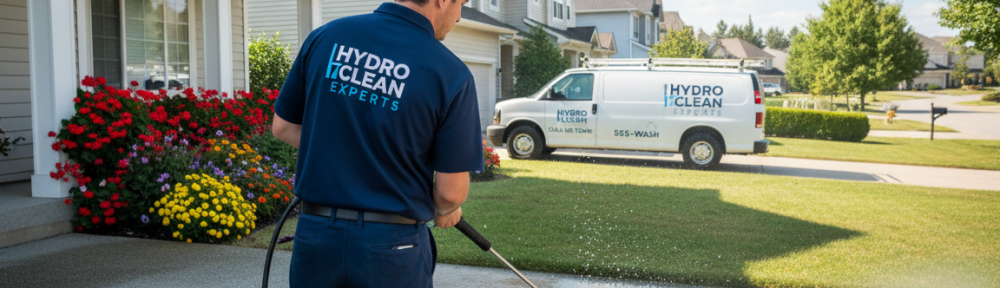
Several years back, an Austin neighbor saw a weathered brick house change almost overnight. Reese Power Washing arrived with a truck, a hot-water system, and a team of respectful technicians. By noon, the homeowner was already booking a second appointment for the driveway and siding. This rapid transformation and the subsequent recommendation showcase the growth of a pressure washing business. It runs on skill, safety, and creating confidence within the community.
Pressure Washing Prices
Pressure washing, or power washing, is a business with a relatively low barrier to entry and steady demand. Homeowners seek out clean driveways and siding, property managers need commercial services, and fleet operators require regular cleaning. With over 32,000 pressure washing companies in the U.S. in 2024, the market is crowded yet full of opportunity for those who differentiate themselves.
Available services range from residential jobs like house and driveway washing to commercial contracts and specialized tasks like graffiti removal and fleet washing. To start well, you need a solid business plan, the right equipment and cleaning solutions, proper insurance and permits, and effective marketing. This includes capturing “pressure washing near me” searches and benefiting from local referrals.
Understanding The Pressure Washing Market And Local Demand
Demand in your area influences services, hours, and pricing. Homeowners aim for curb appeal and upkeep. Businesses require regular exterior maintenance to protect assets and maintain their image.
Recognizing these needs early helps you tailor services and secure consistent work.
Demand Drivers And Market Overview
Seasonal peaks and routine work provide steady income. Spring and fall are often the busiest seasons for driveway and siding work. Algae, mildew, and oil stains produce a steady flow of residential and commercial pressure washing jobs.
Focusing on services like roof soft wash, deck restoration, and paver sealing can increase earnings. The right equipment for each task is important to accepting jobs safely.
Researching Local Competitors And Keyword Signals
Check Google Business Profile listings and local search engine results for terms like pressure washing near me. This helps understand competition and review counts. Record competitors’ pricing to identify service gaps.
Collect neighborhood search terms such as pressure washing driveway, roof pressure washing, and pressure washing pavers. Use these to build ads, service pages, and seasonal promotions.
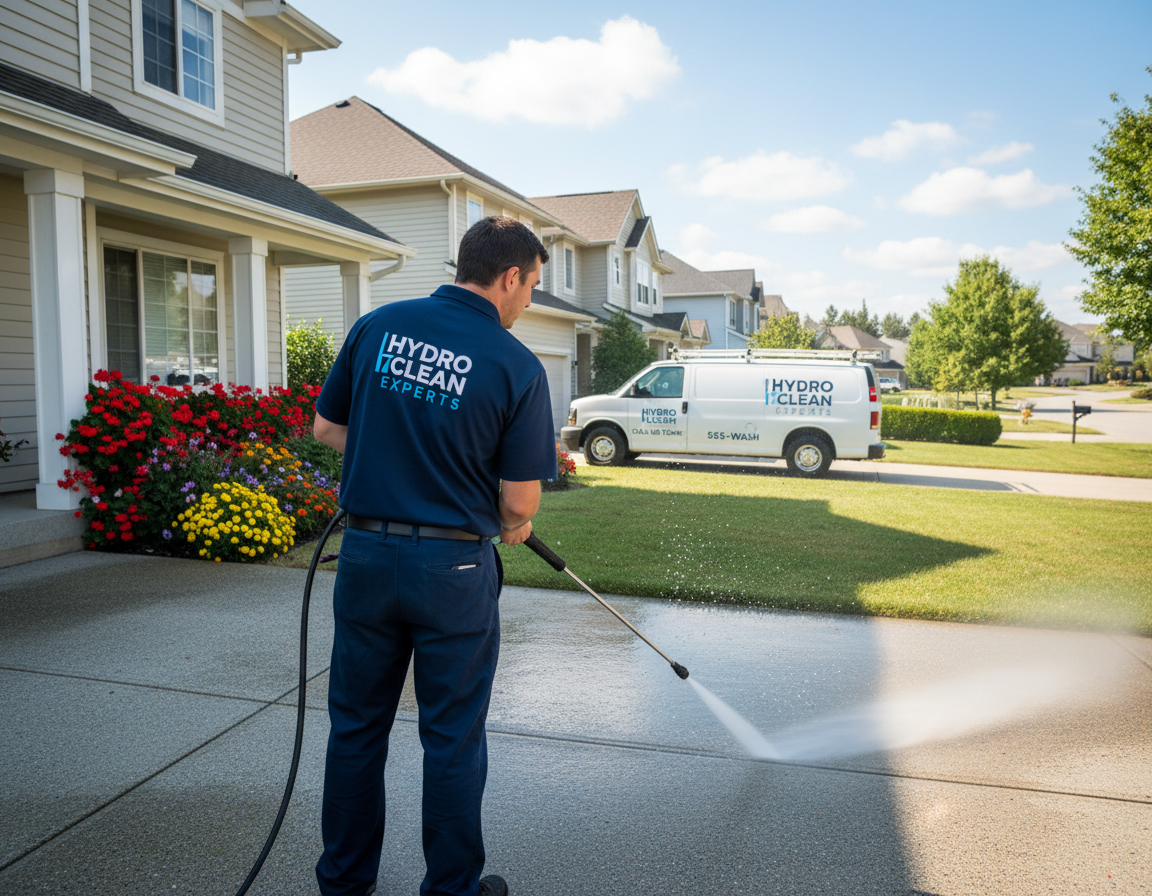
Core Customer Segments
Homeowners searching for house pressure washing near me and driveway cleaning represent steady work. Combine services into plans to increase lifetime value.
Small businesses, HOAs, and property managers often prefer scheduled commercial pressure washing for lots, facades, and fleets. Real estate agents and landscapers often serve as referral partners for pre-sale cleaning or post-landscaping touch-ups.
Operators in the pressure washing industry that tailor their services to these segments often see higher conversion rates and more predictable income.
Building A Business Plan And Selecting A Brand Identity
Building a clear plan and a recognizable brand identity is important for growth. This section outlines the basic elements required for launching a pressure washing business. Owners will learn useful steps to define their services, financials, and a local presence that attracts customers searching for a pressure washing company near me.
Open with an executive summary that clearly explains your mission and focus. For example, Reese Power Washing could highlight its commitment to residential and light commercial work while using safe soft-wash techniques.
Outline your services in straightforward terms: driveway, house, roof, siding, and commercial pressure washing. Specify your service area and set practical growth milestones.
Carry out a market analysis to compare local demand and competitor pricing. Include benchmarks such as pressure washing prices and house pricing. Identify your target segments and choose marketing channels like SEO, yard signs, and referrals.
Develop a marketing strategy that emphasizes local SEO and Google Business Profile optimization for searches like “pressure washing company near me.” Include social media, yard sign campaigns, and partnerships with landscapers or real estate agents.
Wrap up with a financial plan detailing startup costs, expected revenue, pricing models, break-even timelines, and financing scenarios for acquiring commercial gear or a trailer-mounted rig.
Business structure, registration, and tax setup
Pick a legal structure that fits your risk tolerance. Many small operators prefer an LLC for liability protection while keeping administration manageable.
Register the business with your state and obtain an Employer Identification Number for tax filings. Confirm city and county licensing requirements along with any business tax registrations.
Prepare for sales tax collection, income tax, and payroll taxes if you hire staff. Plan for workers’ compensation and speak with lenders about SBA or small business loans for commercial-grade equipment.
Branding and digital presence
Maintain a consistent brand name across your website, truck decals, uniforms, and yard signs to build trust. Present Reese Power Washing clearly to strengthen recognition among local pressure washing companies.
Build a professional website with service pages optimized for phrases like “pressure washing services,” “pressure washing driveway,” and “house pressure washing near me.” Include before-and-after galleries and clear explanations of soft wash versus high-pressure methods to guide homeowners.
Claim your Google Business Profile and ask satisfied customers for reviews. Positive feedback improves your ranking when people search for a pressure washing company or “pressure washing company near me.”
| Plan Section | Key Details | Next Steps |
|---|---|---|
| Overview Summary | Mission, services, and safety focus | Create a one-page mission statement and service list for Reese Power Washing |
| Market Analysis | Demand, competitor pricing, and target segments | Survey local competitors and record pressure washing prices |
| Marketing | SEO, Google Business Profile, and partnerships | Create GBP, optimize service pages, build referral contacts |
| Profit Plan | Startup costs, pricing structure, break-even point | Break down equipment expenses and test hourly versus flat-rate pricing |
| Legal And Tax | Business entity, EIN, permits, and payroll | Register the LLC, secure EIN, and confirm local permits |
| Branding | Logo, website, reviews, and galleries | Design logo, order truck decals, publish photo gallery |
Equipment, Supplies, And Safe Operating Practices
Selecting the right tools and methods is key to efficient jobs and lower risk. Match pressure washing equipment to the work you plan to accept. A gas machine with higher PSI and GPM is well suited for heavy-duty cleaning. An electric unit works well for quiet, low-maintenance tasks.
How To Choose The Right Pressure Washer And Accessories
Pick machines by PSI and GPM to fit job types. High PSI/GPM suits pressure washing concrete and commercial surfaces. Lower settings better protect siding and wood.
Carry essential accessories: a range of nozzles, telescoping wands, quality hoses, and a 16–20 inch surface cleaner for driveways and patios. A professional surface cleaner makes jobs faster on a pressure washing driveway and reduces streaking.
Consider reputable suppliers such as PressureTek and McHenry for new gear, and check local marketplaces for well-maintained used units. Balance upfront cost with long-term reliability and service availability.
Cleaning Solutions And Soft Wash Techniques
Use biodegradable detergents for mold, mildew, and algae. Soft wash pressure washing uses low pressure combined with detergents to clean roofs and siding safely.
Maintain a small inventory of formulas: concrete degreasers for hard stains, paver-safe detergents for delicate joints, and house-wash solutions for painted surfaces. Know dosing and contact time to protect materials and meet local wastewater rules.
Proper dilution with downstream injectors help control chemical use. Proper rinsing and neutralizing reduce the chance of residue and keep landscaping healthy during pressure washing pavers or other outdoor areas.
Protective Gear And Safe Practices
PPE is mandatory: eye protection, chemical-resistant gloves, hearing protection, and water-resistant boots with good traction. Use fall protection on roofs and follow ladder safety protocols.
Train staff on safe operation, nozzle selection, and how to avoid surface damage. Regular equipment maintenance lowers the risk of failures on the job. Keep written job notes to refine techniques and pricing over time.
Beginners should practice on noncustomer or volunteer projects to learn surface sensitivity and safe methods before offering commercial services like pressure washing concrete or paver cleaning.
Legal Compliance, Insurance, And Environmental Considerations
Managing a pressure washing business means handling more than just equipment and clients. It demands adherence to local regulations, protection for your team and clients, and responsible runoff management. These steps not only limit risk but also build trust among property owners seeking services. This matters for people searching for pressure washing services near me or comparing local companies.
Start by confirming the required credentials. Many jurisdictions require pressure washing licenses and a general business license. Certain municipalities also require environmental permits for discharging wash water or using specific chemicals.
Check with city planning and the state environmental agency to determine where wastewater can be discharged. Following local rules is critical, because non-compliance can lead to fines or project shutdowns. Commercial contracts often require proof of compliance before work begins.
Insurance is a core safeguard. General liability covers property damage and customer claims. Commercial auto insurance is important for vehicles transporting equipment. Workers’ compensation is also valuable when hiring staff.
Implement written policies and on-site checklists for staff. Simple steps like confirming delicate surfaces and choosing low-pressure settings can greatly reduce damage claims. Clients often prefer companies that demonstrate strong risk management.
Runoff control is essential. Use biodegradable, EPA-approved detergents to minimize environmental impact. In many regions, wastewater reclamation systems are required to filter runoff before discharge.
Educate customers about the process. Explain how proper wastewater management protects landscapes and waterways. Document your methods and permits to show diligence and avoid enforcement issues.
The table below compares common compliance items, typical costs, and when each is required. It serves as a useful overview for new businesses or for operators expanding services.
| Compliance Requirement | Usual Cost Range | When Required |
|---|---|---|
| Business license and registration | Around $50–$400 annually | Needed in many cities or counties before operating |
| Trade permits or pressure washing licenses | $75–$500 either one-time or yearly | Needed in certain municipalities for pressurized cleaning work |
| Environmental discharge permits | Usually $100–$2,000 based on project scope | Required when runoff could reach storm drains or waterways |
| Liability insurance | $400–$1,200 annually | Important for both residential and commercial work |
| Auto and equipment insurance | Roughly $800–$3,000 annually | Recommended if transporting gear or high-value items |
| Runoff reclamation system | $1,000–$10,000 installed cost | Often required or strongly recommended in regulated areas |
Staying compliant matters for customers searching for pressure washing services near me and for businesses evaluating local companies. Clear permits, proof of insurance, and responsible wastewater management signal professionalism and reduce legal risk.
Financial Management And Pricing Strategies
Setting prices that are fair and profitable starts with clear cost tracking and simple pricing rules. Compare local pressure washing prices and house prices to understand market expectations. Then add margins for labor, equipment wear, insurance, and travel. Use flat-rate pricing for common jobs and hourly or custom quotes for complex commercial or multi-level work.
How To Set Profitable Rates
Divide each job into billable elements: surface type, size, grime level, cleaning solutions, and access difficulty. Benchmark against local pressure washing prices rates and avoid undercutting to win business at a loss. Build in options like bundled driveway and patio packages and a recurring plan for regular clients to boost lifetime value.
Use a clear price for pressure washing driveway projects when the surface and size are predictable. For unique jobs, use an hourly rate plus materials and a minimum fee to protect margins.
Estimating Startup And Ongoing Costs
Calculate startup outlays: a pressure washer, surface cleaner, hoses, nozzles, detergents, PPE, vehicle or trailer, website, licensing, and initial insurance. A lean launch can cost a few thousand dollars; commercial-grade setups cost much more.
Monitor ongoing pressure washing cost items: fuel, detergents, maintenance, insurance premiums, marketing, and loan payments. Monitor job-level profitability so you can adjust prices over time.
Collecting Payments And Invoicing
Adopt digital invoicing and payment processors like Stripe to accept cards, wallets, and recurring billing. Carry an on-site card reader to close sales immediately and offer clear deposit rules for larger jobs.
Include itemized services and payment terms on every invoice to reduce disputes and speed collections. Accept cash or checks according to policy, but prefer electronic payments for easier reconciliation and faster access to funds.
Growing Your Customer Base Through Marketing And Sales
To expand a pressure washing business, blend online visibility with neighborhood outreach. Focus on clear messages that highlight value, safety, and competitive pricing. Use a mix of digital tactics and hands-on marketing to reach homeowners and property managers searching for pressure washing services.
Strengthen local search listings so people see your business when they search pressure washing services near me. Keep name, address, and phone consistent. Add service details like house pressure washing, driveway cleaning, and roof soft wash. Fresh photos and recent reviews improve click-through rates for pressure washing service near me queries.
Create web pages and short blog posts that answer common local questions. Topics such as pricing for pressure washing driveways, benefits of soft wash, and pressure washing concrete vs soft wash bring in motivated searches. Run targeted ads during spring and fall to capture seasonal demand and mobile users searching for mobile pressure washing near me.
Use yard signs with permission and door hangers in selected neighborhoods to drive awareness. Build referral partnerships with landscapers, real estate agents, and painters to tap steady leads. Offer referral discounts and set up recurring contracts with property managers or HOAs to secure predictable income.
Attend local events and trade shows to meet homeowners and small business owners. Distribute concise flyers that present affordable pressure washing options and emphasize safety and environmental care. Track which neighborhoods respond best so you can repeat successful campaigns.
Feature before-and-after galleries on your site and social feeds to turn interest into bookings. Label each image with the service used, such as soft wash or surface cleaner, and note the surface type. Short captions that state results help searchers find your portfolio for pressure washing houses near me.
Invite customers to leave reviews and reply promptly to each one. Good responses increase trust and boost visibility for pressure washing companies in local searches. Collect written testimonials from commercial clients to support higher bids and long-term contracts.
Set up a simple follow-up system to request referrals and offer seasonal touchpoints. Track conversion rates from each channel so you can double down on what works. With steady local SEO, targeted ads, and neighborhood outreach, you can build a reliable pipeline of leads for affordable pressure washing services.
Closing Thoughts
Building a pressure washing business requires careful planning and consistent action. This guide helps you understand local demand, analyze competitors, and create a detailed business plan. It is also important to choose reliable equipment and soft wash options. In addition, select detergents that are safe for surfaces and the environment.
Ensure you obtain the necessary licenses and insurance promptly. Monitor job costs and labor hours so you can adjust rates and protect profit margins. Start with residential jobs like driveways to build cash flow and collect reviews. Once you have a strong base, expand into commercial contracts or specialized services like fleet washing or graffiti removal.
It remains important to prioritize safety and follow wastewater regulations to avoid fines and protect your reputation. Focus on excellent customer service, local SEO, and referral systems. This helps people searching for “pressure washing company near me” or “pressure washing services near me” find your business. Consistent documentation and reputation management will turn local leads into loyal customers.
By following this roadmap, you can start your pressure washing business with confidence. Continue improving your processes and grow from a small startup into a trusted local company. Your business can rank strongly in searches for “pressure washing company near me.”